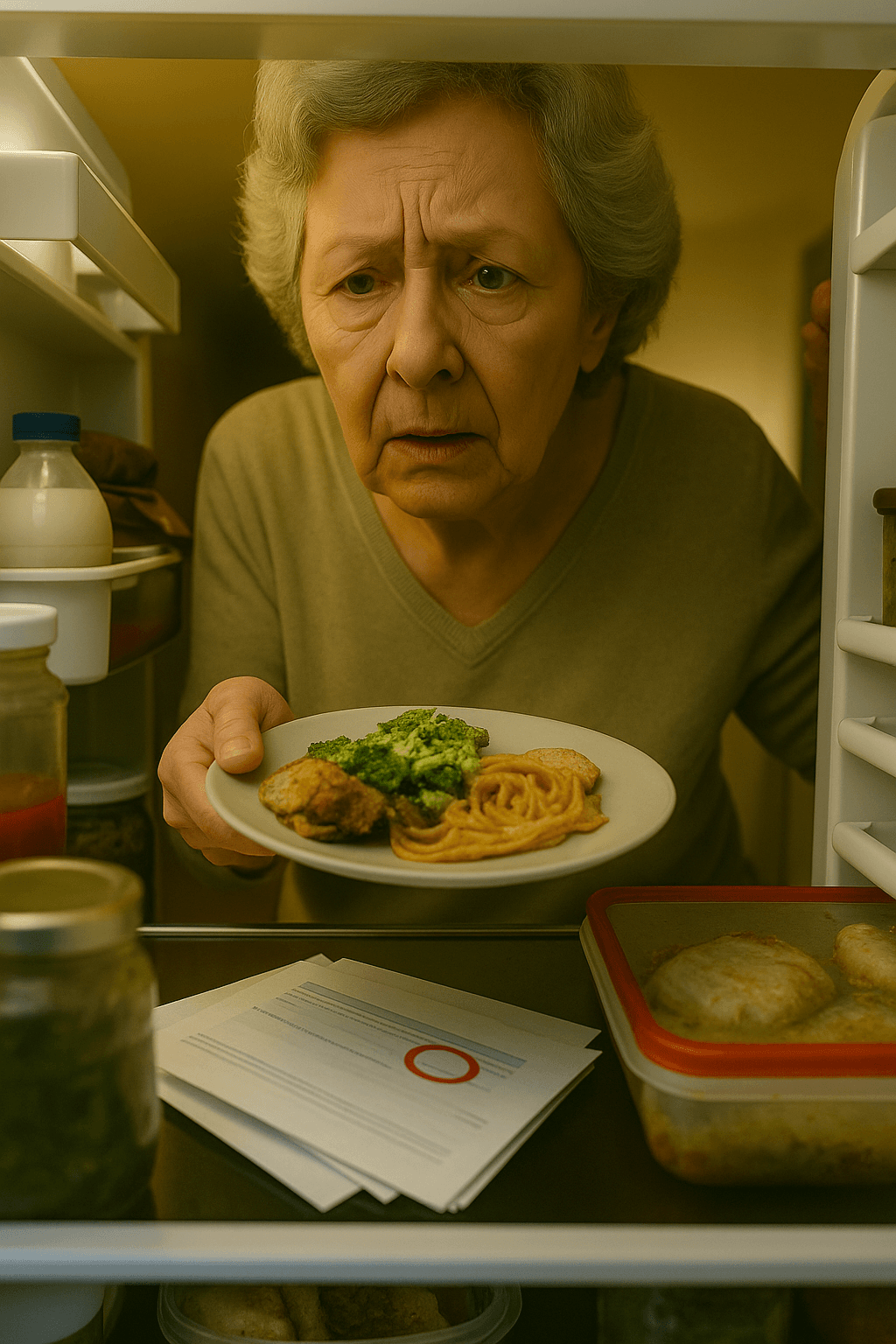

You noticed something last time you visited. Maybe it was small. A pile of unopened mail on the counter. A fridge with nothing but condiments and expired milk. Maybe it was bigger. A bruise she brushed off. A noticeable drop in weight.
You drove home thinking about it. You're still thinking about it.
If you're reading this, you're probably in that uncomfortable middle ground where things aren't terrible but they're not fine either. You don't want to overreact. But you don't want to ignore what you're seeing. Here are some signs that it might be time to start a conversation about help.
Signs That Shouldn't Be Ignored
None of these signs on their own mean your parent needs full-time care. But when you start noticing several of them, it's worth paying attention.
**Missed medications.** Pill bottles that should be empty aren't. The weekly organizer is still full on Wednesday. She mentions a headache and you realize she hasn't been taking her blood pressure medication consistently.
**Weight loss or poor nutrition.** The fridge is empty or full of expired food. She's eating toast for dinner most nights. Her clothes are looser than they used to be. She says she's just not that hungry, but the truth is cooking for one feels pointless.
**Increased isolation.** She stopped going to church. She dropped out of her book club. The neighbor who used to come over for coffee says she hasn't seen your mom in weeks. Isolation in older adults isn't just loneliness. It's a health risk that accelerates cognitive and physical decline.
**Falls or balance problems.** She grabs furniture when she walks. There's a new bruise she can't explain. She mentions feeling dizzy but won't call the doctor. Falls are the leading cause of injury in adults over 65, and most of them happen at home.
**The house is declining.** Dishes in the sink. Laundry piling up. Bills unopened. Yard overgrown. A home that was always tidy now looks like nobody's keeping up. This is often one of the earliest visible signs that daily tasks are becoming too much.
**Confusion or forgetfulness beyond normal aging.** She called you by your sister's name twice. She forgot a grandchild's birthday for the first time ever. She asked you the same question three times in one conversation. Some forgetfulness is normal with age. But a pattern of increasing confusion is worth noting.
**Mood changes.** She's more irritable than usual. She seems flat or withdrawn. She's lost interest in things she used to enjoy. Depression in older adults is common and underdiagnosed, often because it looks different than it does in younger people.
Why These Conversations Are So Hard
You already know you should say something. The hard part is figuring out how.
Your parent has been independent their entire adult life. They raised you. They ran a household. They made their own decisions for decades. Suggesting they need help can feel like you're telling them they can't handle their own life anymore. And for many parents, that's exactly how it lands.
The conversation fails when it starts with what they can't do. "Mom, you're not eating right." "Dad, the house is a mess." "You almost fell last week." Even when it's true, it feels like a list of failures. And nobody responds well to that.
The conversation works better when it starts with what you're feeling, not what they're doing wrong.
How to Start the Conversation
There's no perfect script. But there are approaches that tend to work better than others.
**Lead with your own feelings.** "Mom, I worry about you when I'm not here. It would help me feel better knowing someone could check in a couple times a week." This isn't about her failing. It's about your peace of mind. Most parents still want to take care of their kids, even grown ones. Framing it as something that helps you can open a door that framing it as something she needs would slam shut.
**Start small.** Don't propose full-time care. Suggest a few hours a week. Help with groceries. Somebody to cook a couple meals. A companion to go on walks with. Small feels manageable. Small feels temporary. And small has a way of growing naturally once the relationship builds.
**Don't ambush.** Bringing this up at Thanksgiving dinner with the whole family watching is a recipe for defensiveness. Find a quiet moment. One-on-one. Maybe on a drive or over coffee. Keep it casual, not clinical.
**Acknowledge their independence.** "I know you can handle things, Dad. This isn't about that. It's about making things easier so you can keep doing what you enjoy." People accept help more readily when they don't feel like it's a verdict on their competence.
**Be ready for resistance.** They might say no. They might get upset. That's okay. You planted the seed. You can come back to it. Pushing too hard in one conversation can set the whole process back by months.
What Happens When You're Ready
Whether the conversation goes well on the first try or takes a few attempts, there will come a point when your family is ready to explore help. When that happens, you want someone who makes the process easy, not stressful.
Atlee Home Care offers a free consultation. No pressure. No commitment. Just a conversation about what your parent needs and what might help. Atlee is a home care registry, which means they connect your family directly with experienced, vetted independent caregivers at a flat rate of $35 per hour. No upcharges. No long-term contracts.
Many families start with just a few hours a week. A caregiver who comes on Tuesday and Thursday mornings. Enough to help with meals, light housekeeping, medication reminders, and companionship. Enough to see if it's a good fit before committing to more.
If you've been noticing changes and wondering what to do, you're not behind. You're paying attention. That's exactly where this starts.
Call Atlee Home Care at (720) 378-8708 or email contact@atleecare.com. The first step is just a conversation.